There was a time when remembrance was not something we visited; it was something we tended.
Across centuries and cultures, the instinct to honour the dead has rarely been about preservation alone. It has been about continuity; about allowing memory to move, to breathe, to change shape alongside the living.
Stone markers, sealed urns, and fixed dates are relatively recent ideas. For most of human history, remembrance was woven into land, ritual, and growth. Trees were planted. Paths were walked. Objects were held, worn, touched. Memory lived not in permanence, but in participation.
To remember someone was not to hold them still, it was to carry them with forward.
The difference between holding and tending
There is a quiet distinction between keeping something safe and keeping something alive.
We are accustomed to thinking of memory as something fragile: something that must be protected, archived, preserved exactly as it was. But living things do not remain unchanged. They grow. They shed. They weather seasons. They surprise us.
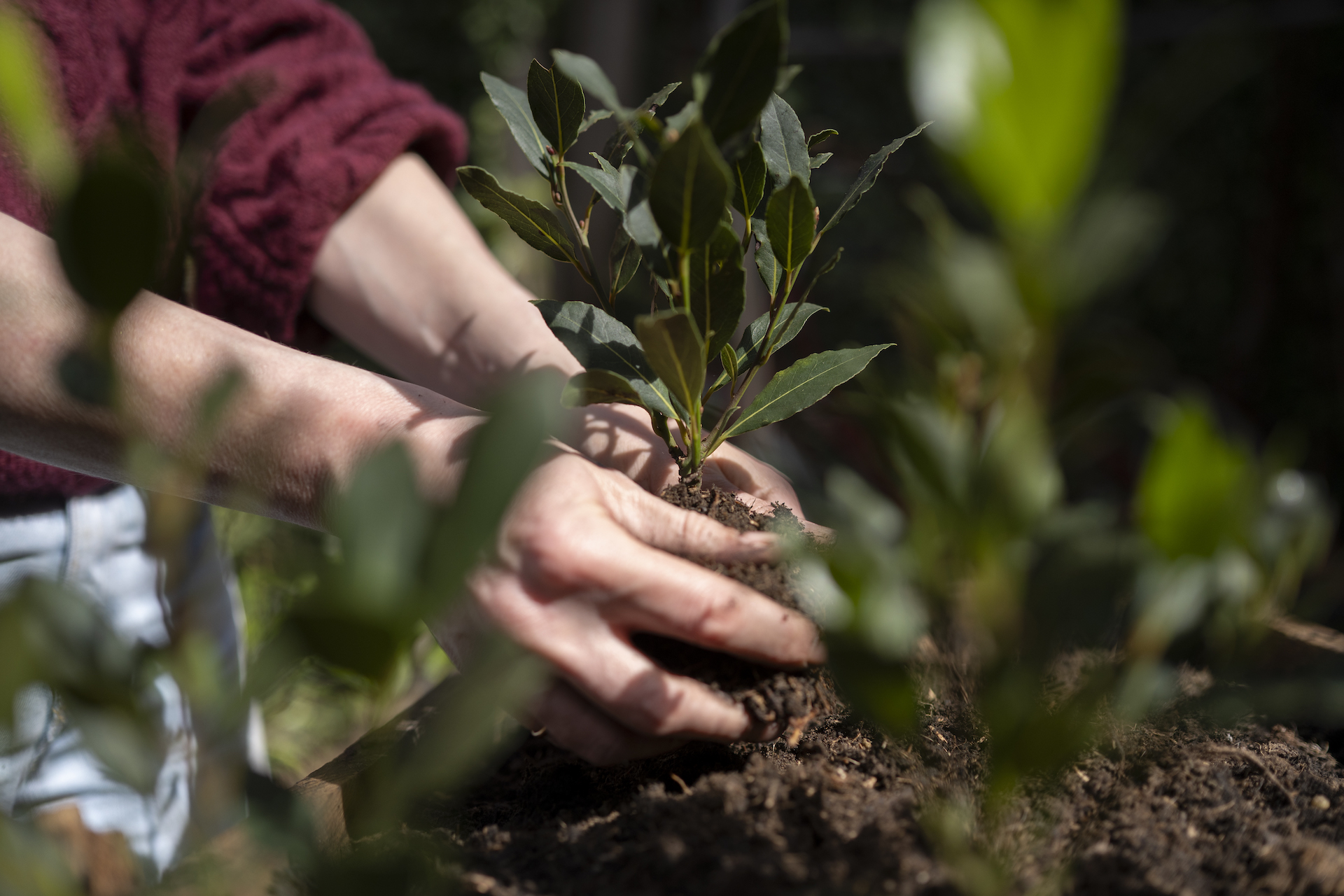
Perhaps this is why living memorials have always felt so instinctive, even when they are unfamiliar. A tree planted in someone’s name does not ask to be visited on a schedule. It asks to be noticed. Watered. Watched. It becomes part of the everyday landscape of a life that continues.
In this way, memory is not frozen in a moment of loss.
It evolves, quietly and faithfully, alongside those who remain.
Our ancestors and natural remembrance
Long before memorials were formalised, remembrance was shaped by the natural world. Ashes returned to earth. Stones were placed beneath trees. Names were spoken aloud in places that changed with the seasons.
In many cultures, the boundary between the living and the dead was not sharply drawn. Ancestors were present in harvests, in forests, in the ground beneath one’s feet. Memory was not separate from life; it was embedded within it.
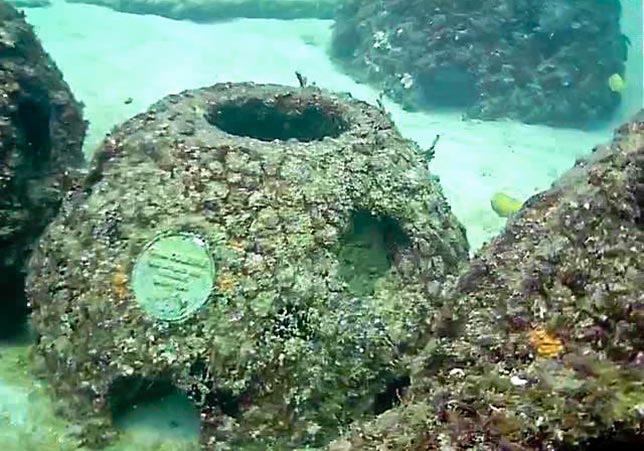
Even today, traces of this thinking remain. We scatter ashes at sea and plant gardens in someone’s honour. We keep objects that hold no practical value yet feel impossible to part with.
These gestures are not symbolic in the abstract. They are physical acts of care.
Living memory and modern life
Modern life has made many things efficient, but it has also made remembrance feel oddly distant. Memorials are often placed somewhere else – they have become somewhere to be visited, rather than lived alongside.
At the same time, there is a growing desire for meaning that feels personal, ethical, and rooted. People are questioning what they leave behind, and how their values might continue after them.
In this context, living memorials feel less like an alternative and more like a return.
They offer something neither purely traditional nor overtly modern:
a way of remembering that is active rather than static, intimate rather than performative.
A tree does not declare itself a memorial, it simply grows, and in doing so it quietly carries a story forward.
Memory as a responsibility
To tend something living is to accept responsibility. It requires patience. Presence. An understanding that some seasons will be harder than others.
This mirrors the way our memory works.
We do not remember the people we love in a straight line. Memory arrives unexpectedly; it recedes, reshapes itself over time. It is influenced by place, by light, by age, by who we become.
A living memorial allows space for this. It does not insist on one version of remembrance. It makes room for change.
In this sense, memory becomes less about ownership and more about stewardship – a memory is something we look after, rather than something we try to contain.
Legacy as a continuance



Leave a Reply