In the Argentine landscape, there is a forest shaped unmistakably like a guitar. Thousands of trees form it’s body and neck, planted not for spectacle, but as a private act of remembrance.
It is a love letter in the form of a living memorial, written slowly and over decades, in soil and in patience.
The forest was planted by farmer Pedro Martín Ureta, who began planting trees after the death of his wife, Graciela Yraola. She loved music, and the guitar in particular. Rather than marking her memory with stone or inscription, he chose to honour her through a landscape.
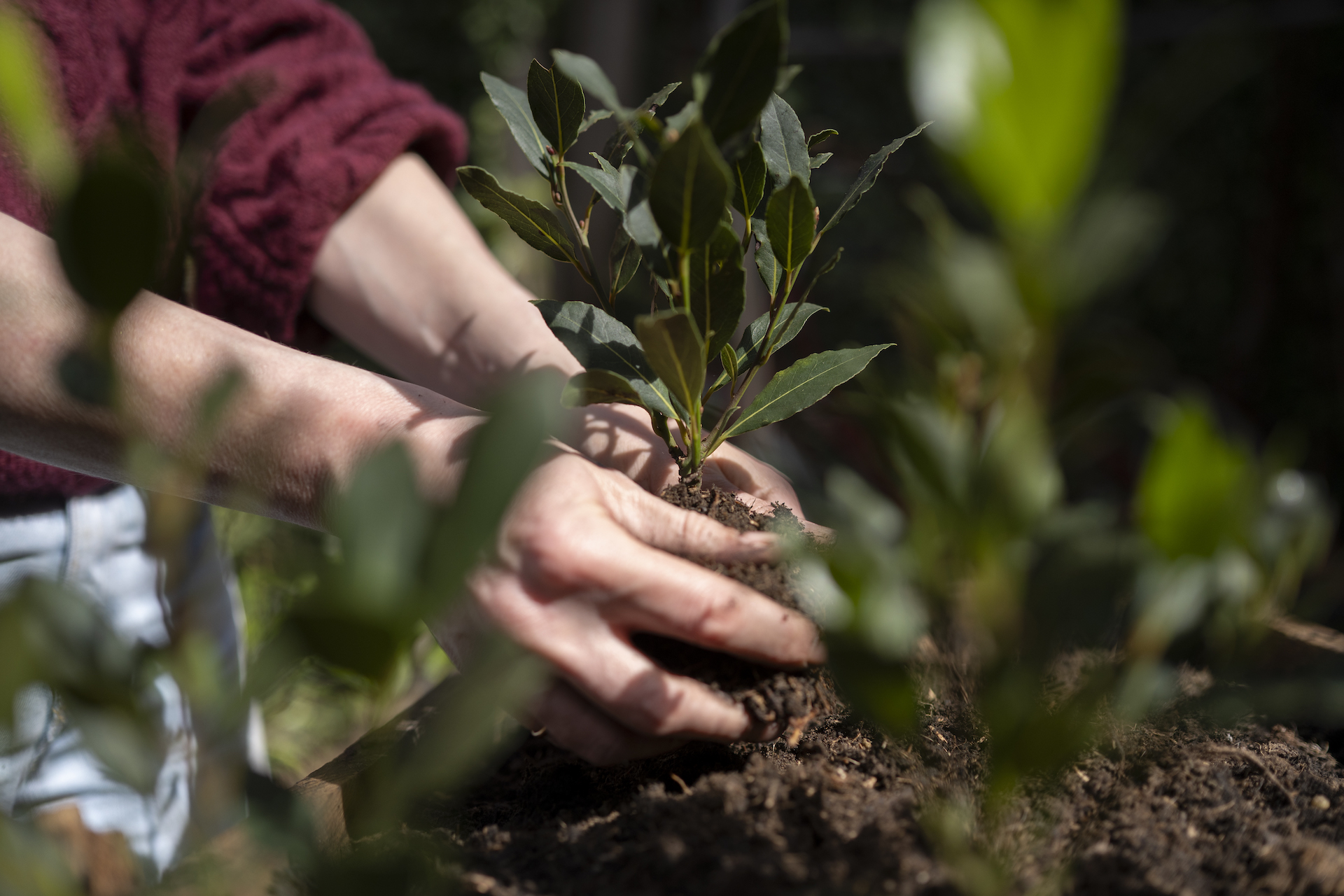
Over more than forty years, he planted around 7,000 trees, shaping them patiently into the outline of the instrument she loved. From the ground, the forest appears simply as woodland. Its meaning becomes visible only from above.
Devotion measured in years, not in gestures
What makes this act remarkable is not its scale, but its restraint.
There was no unveiling. No ceremony. No expectation that anyone else would ever see or understand what was being made. For decades, the shape remained invisible to all but the person planting it. The forest revealed itself only later, when NASA aerial imagery showed what had been growing quietly all along.
This form of remembrance resists the language often used for grief. It is not expressive. It is not explanatory. It does not ask to be witnessed – it asks to be tended.
Each sapling required attention. Each year demanded patience. Growth was slow, uneven, and vulnerable to weather and time. There was no guarantee the forest would survive, let alone form the shape it was intended to.
And yet, the planting continued, beautifully using nature as a medium for love.
Patience as an expression of grief
Grief is often imagined as something intense and immediate. But for many, it is quieter and longer – something that unfolds slowly, woven into the ordinary rhythms of life.
Acts like this forest remind us that patience itself can be a form of devotion.
Across cultures and centuries, humans have turned to the living world to carry memory forward. Not because it is efficient or permanent, but because it mirrors life itself: cyclical, uncertain, and shaped by care.
The guitar-shaped forest belongs to a lineage of remembrance in the form of living memorials, that value time over immediacy, participation over preservation.
It reminds us that legacy does not have to announce itself. It can be shaped quietly, patiently, by hands returning to the same task, again and again.